
What does OSHA require for portable toilets on a construction site?
OSHA 1926.51(c)(1) is the number every Spring Hill contractor should have memorized. Twenty workers or fewer, one toilet. Cross 20 and you owe one toilet seat plus one urinal for every 40 workers, and once a site tops 200 people the ratio eases to one seat and one urinal per 50. There's no separate "Cal OSHA portable toilet requirements construction" rule on this page since Florida follows federal OSHA, but the crew-count logic is the same nationwide. Water matters too: OSHA 1926.51(a)(1) requires an adequate supply of potable water at the site, which is why a lot of GCs pair their portable toilet rental order with a handwashing station rental rather than treating them as separate line items. If your crew works with paints, coatings, herbicides or insecticides, OSHA 1926.51(f)(1) kicks in and washing facilities become mandatory, not optional. Figuring out your exact count gets easier with a porta potty rental checklist or the breakdown at how many porta potties do I need. For a deeper walkthrough of the ratio table itself, see OSHA portable toilet requirements, the cluster page this article belongs to.
How many porta potties do I need for my crew?
Count your peak headcount, not your average, and round up. A 15-person framing crew needs one unit under OSHA 1926.51(c)(1). A 45-person site crosses into the 40-worker bracket and needs two toilet seats plus two urinals. Spring Hill sites near Brooksville, 10.2 miles east, and Timber Pines, 7.4 miles west, run this math the same way regardless of location. Duration changes the order too: a weekend punch-list job doesn't need the same commitment as a six-month build. Check porta potty rental per day pricing for short jobs and monthly porta potty rental for anything running past 30 days. ANSI/PSAI Z4.3 sets the baseline service interval at once per week for up to 10 users across a 40-hour week, so a bigger crew on tighter hours needs either more units or more frequent service, not just more units. If you're not sure which category your project falls into, construction site services breaks down typical setups by job size, and OSHA portable toilet requirements covers the ratio math again in more depth.
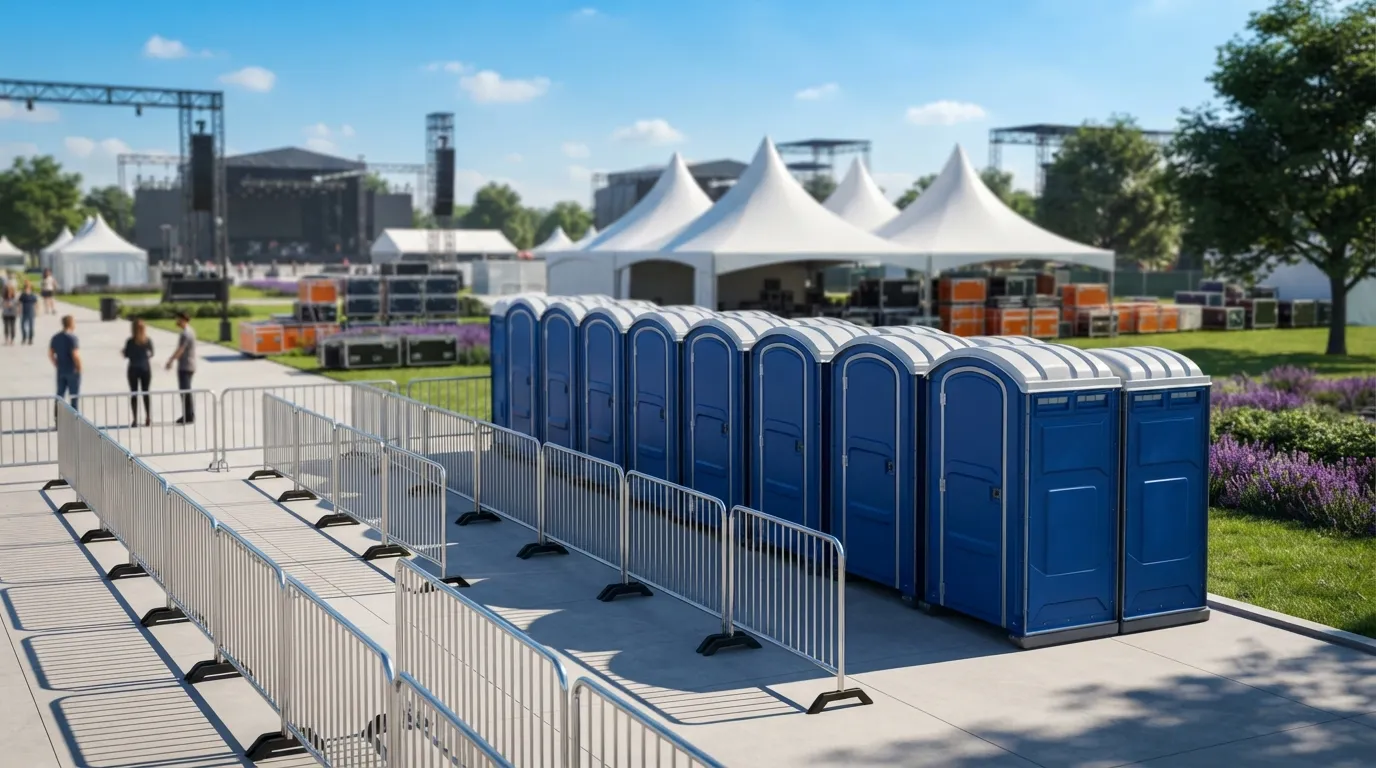
Where can porta potties be placed on a job site, and are there distance rules?
OSHA doesn't publish a hard-number "osha portable toilet distance requirements" figure for how far a unit can sit from the work area, so plan for reasonable access rather than a specific foot count. What OSHA does require is a clear path: ADA Standards section 403.5.1 sets a 36 inch minimum clear width for an accessible route, and section 405.2 caps ramp slope at 1:12 if the ground isn't level. Ground stability matters under ADA Standards section 302.1, which calls for surfaces that are stable, firm and slip resistant, something worth checking before a Spring Hill delivery lands on wet sod. If your project mixes toilets with an ADA accessible porta potty, remember ADA Standards section 213.2: at least 5 percent of clustered single-user units, and never fewer than one, must be accessible. Placement in the public right of way needs confirming with the city directly; we can't cite a specific Spring Hill ordinance here, so check with the relevant department before setting units on a street or sidewalk. For layout help, the porta potty placement guide and porta potty permit requirements page cover the practical side of positioning units near active work.
Do OSHA rules apply the same way to farms, events and general industry sites?
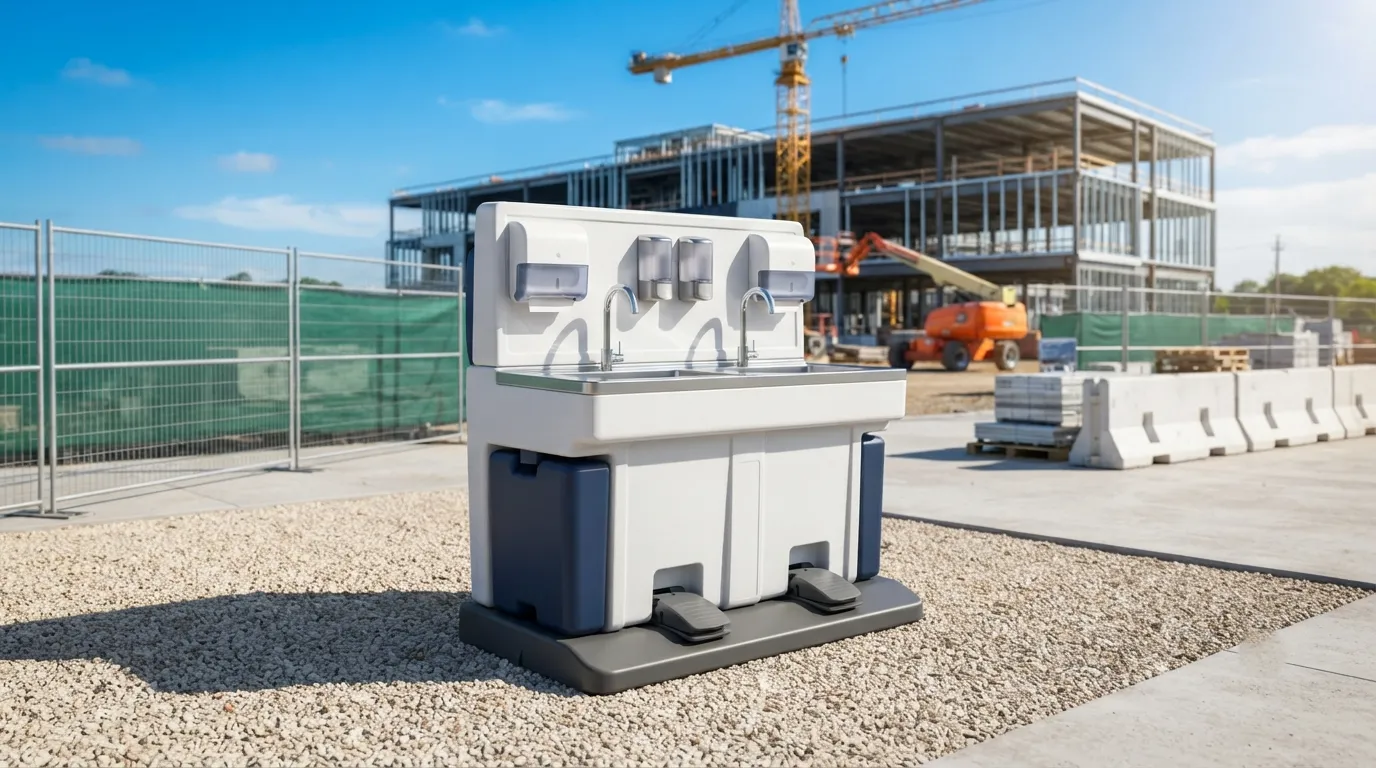
No, and mixing them up is a common mistake. Construction sites follow OSHA 1926.51(c)(1). General industry workplaces, like warehouses or fixed facilities, follow 29 CFR 1910.141(c)(1)(i) instead, a separate ratio table. Agricultural operations with hand-labor crews fall under OSHA 1928.110, which requires potable water, toilets and handwashing within a quarter mile walk, at one facility per 20 employees, a detail worth knowing if you're running a farm and agricultural restroom setup near Spring Hill. Events, weddings and festivals aren't OSHA jurisdiction at all since attendees aren't employees, but venues still expect reasonable coverage; see event restroom rental or wedding restroom rental for how those numbers get planned. Handwashing has its own separate rule too: 29 CFR 1910.141(d)(2) requires soap and towels or a hand-drying device, and hand sanitizer alone doesn't satisfy it. That's a common gap on job sites that only stock a hand sanitizer station rental instead of a real portable sink rental.
What's the OSHA ratio for a 50-person crew?
Fifty workers land in the 20-to-200 bracket under OSHA 1926.51(c)(1), which calls for one toilet seat and one urinal per 40 workers. That works out to two full setups for a crew of 50, rounding up rather than down since partial coverage doesn't meet the ratio.
Does OSHA require handwashing stations on every job site?
Not automatically. OSHA 1926.51(f)(1) requires washing facilities specifically where workers apply paints, coatings, herbicides or insecticides, or handle similar contaminants. Outside those tasks, potable water under 1926.51(a)(1) is the baseline requirement, though most Spring Hill contractors add handwashing anyway.
Can one portable toilet serve multiple small crews on the same site?
Yes, if total headcount stays at or under 20 for that single unit under OSHA 1926.51(c)(1). Once combined crews exceed 20, the ratio math applies to the whole site, not each individual sub-crew separately.
What's the difference between OSHA rules and local Spring Hill permit rules?
OSHA sets minimum toilet counts and sanitation standards nationwide. Local placement, especially in a right of way or on public property, is a separate city-level question. Confirm specifics directly with Spring Hill before finalizing unit placement on any public-facing site.
Do special event sites need to follow the same OSHA ratios as construction?
No. OSHA's ratios apply to employees, not general attendees, so a concert or fair follows practical guest-count planning instead. See festival restroom rental or county fair restrooms for how those numbers get sized differently than a job site crew count.
Next step
Get a delivery date
Tell us the address, the dates and the headcount. We size the order and confirm the route.