
How fast can you get sanitation out after a storm?
Storm response is not the same as a scheduled delivery. When Spring Hill loses water pressure or a lift station fails, emergency porta potty rental means units get prioritized and routed ahead of standing orders. A standard unit runs 44 by 48 inches on the ground and stands about 92 inches tall, so it fits on a driveway, a church lot or a cul-de-sac without needing much clearance. If the job needs a full bank of units for a shelter or staging area, portable toilet rental crews can scale up fast, and porta john rental covers smaller crews working debris removal or utility repair. Pricing during disaster response tracks the same day-rate bands as normal work, with a standard unit typically running $100 to $350 a day depending on quantity and how far the delivery truck has to travel. Roads get blocked after storms, so delivery windows can shift. We coordinate with property owners and site contacts directly rather than promising a fixed hour, because a downed tree or washed-out culvert changes the plan fast. Crews base out near Spring Hill and can also reach Brooksville, 10.2 miles east, and Timber Pines, 7.4 miles west, when a storm's damage footprint spreads past one town.
What do shelters and relief sites actually need?
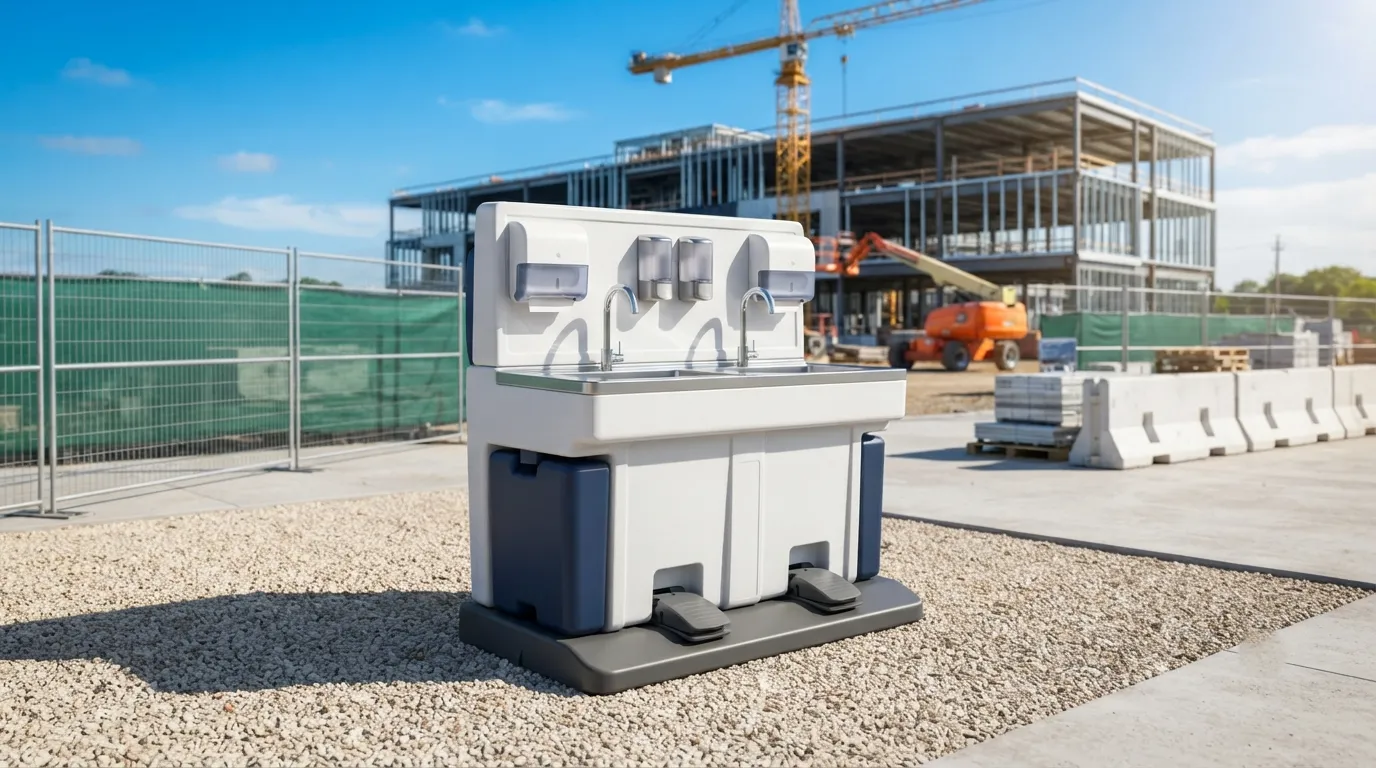
A shelter housing displaced families needs more than a row of toilets. OSHA 1926.51(a)(1) calls for an adequate supply of potable water at any place of employment, which matters once relief workers and volunteers are staffing a site for full shifts. Pair that with a handwashing station rental or a portable sink rental so people can wash before meals, not just after using the restroom. 29 CFR 1910.141(d)(2) requires soap and towels or a hand-drying device at washing facilities, and hand sanitizer alone does not meet that. For sites with limited mobility residents, elderly evacuees or wheelchair users, ADA Standards section 213.2 requires at least 5 percent of clustered single-user toilets to be accessible, never fewer than one, so an ADA accessible porta potty belongs in the initial order, not an afterthought. Larger shelters running for more than a few days often do better with a restroom trailer rental, since a trailer holds up better under heavy continuous use than a bank of standard units. If flooding has also disabled a septic system feeding a building still in use, emergency septic service and septic pumping service keep that building functional while repairs get scheduled. Debris from storm cleanup needs its own path out, which is where a roll-off dumpster rental comes in for downed limbs, ruined drywall and flooded belongings.
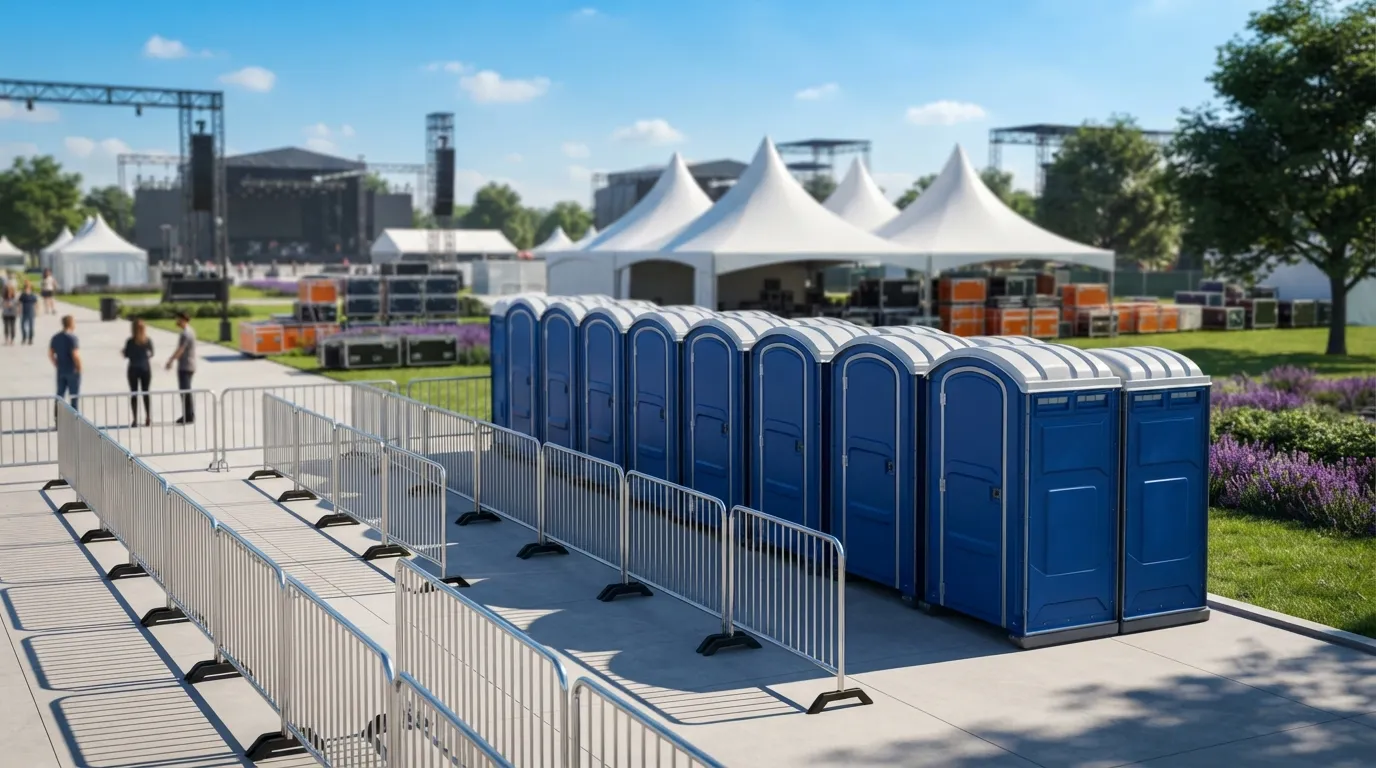
Can you keep sanitation running for a multi-week response?
Long-duration relief work needs a service plan, not a one-time drop. ANSI/PSAI Z4.3, the industry service standard, sets one visit per week for up to 10 users over a 40-hour week as the baseline pumping interval, and disaster deployments often need tighter servicing than that once usage climbs. Monthly rates apply once a relief site runs past a few weeks, and a standard unit on a month-long deployment runs $125 to $325 depending on unit count and site access. For staging yards or command posts, temporary fence rental secures generators, supply pallets and fuel storage, and storage container rental keeps donated goods and equipment dry and locked. Sites running generators or floodlights around the clock may also need a light tower rental or temporary power pole setup. If the relief operation covers agricultural land near Spring Hill, OSHA 1928.110 requires field sanitation for hand-labor employees, one facility per 20 workers, reachable within a quarter mile, which matters for farm cleanup crews working storm-damaged groves or fields. We've supported response coordination as far as New Port Richey, 24.6 miles southwest, when regional need outpaces local supply. Full construction-grade support, including debris dumpsters and fencing, is outlined on construction site services.
How much does emergency sanitation cost compared to a normal rental?
Emergency day rates fall in the same band as standard rentals, $100 to $350 a day, though delivery fees can run higher when roads are damaged or the route is longer than usual. Multi-day disaster response often shifts to weekly pricing fast, which is cheaper per day than repeated single-day calls.
Do you prioritize hospitals, shelters and government sites during a disaster?
Yes. Shelters, medical staging areas and municipal relief points get routed ahead of standard orders during an active response. Call ahead so dispatch knows the site type and expected occupancy, since that changes how many units and what mix we send.
What if the delivery site is flooded or the road is blocked?
We reroute or delay until a truck can get in safely. A roll-off or trailer delivery still needs roughly 60 feet of straight clearance behind the truck, so blocked streets or debris piles can push a delivery back a day.
Can you supply both toilets and dumpsters for the same relief site?
Yes. Most disaster sites need both fast, since debris and human waste show up together. Ordering both from one call keeps delivery scheduling simpler and avoids two separate trucks fighting for the same access point.
How many units does a shelter of 100 people need?
OSHA 1926.51(c) sets toilet ratios by worker count for job sites, and shelter planning generally follows similar load logic. Use how many porta potties do I need to work through occupancy and duration before placing the order.
Next step
Get a delivery date
Tell us the address, the dates and the headcount. We size the order and confirm the route.