
How Often Does a Septic Tank Need Pumping?
The honest answer: it depends on how many people live in the house and how big the tank is. A residential septic tank is typically pumped every 3 to 5 years, and that range comes down to household size and tank size working against each other. A family of six with a small tank pumps more often than a couple with an oversized one. If you are staging a renovation and taking bathrooms offline, a holding tank rental can bridge the gap while the septic side gets serviced. Spring Hill sits on well and septic in a lot of neighborhoods, and skipping a cycle just means the next pump job costs more because solids have had longer to compact. If you are not sure where your tank falls in that 3 to 5 year window, our page on how often to pump a septic tank walks through the math. Grease is a separate problem: a grease interceptor gets pumped once fats, oils, grease and solids reach 25 percent of the liquid depth, which is a faster clock than a household tank. Restaurants and commercial kitchens should check our grease trap pumping page for that schedule, and any site running a septic system alongside portable units should also review portable toilet rental basics.
What Are the Warning Signs a Septic Tank Needs Pumping?
Slow drains, gurgling pipes, standing water near the drain field, or a sewage smell in the yard all mean call now, not next month. These symptoms show up when a tank is close to full or a line is starting to back up, and waiting rarely fixes it on its own. We cover the full list on our septic tank warning signs page. A tank that backs up into the house is a different emergency than one that is just slow to drain, and our emergency septic service crew treats it that way. If you are dealing with a failed tank on a property near Brooksville, which sits about 10.2 miles east of Spring Hill, or out toward Masaryktown 9.2 miles southeast, the same response applies: get it pumped before the backup reaches fixtures. Waiting past the first warning sign is what turns a routine pump into a drain field repair, and drain fields cost far more to replace than a tank costs to service on schedule.
What Does a Septic Pumping Service Include?
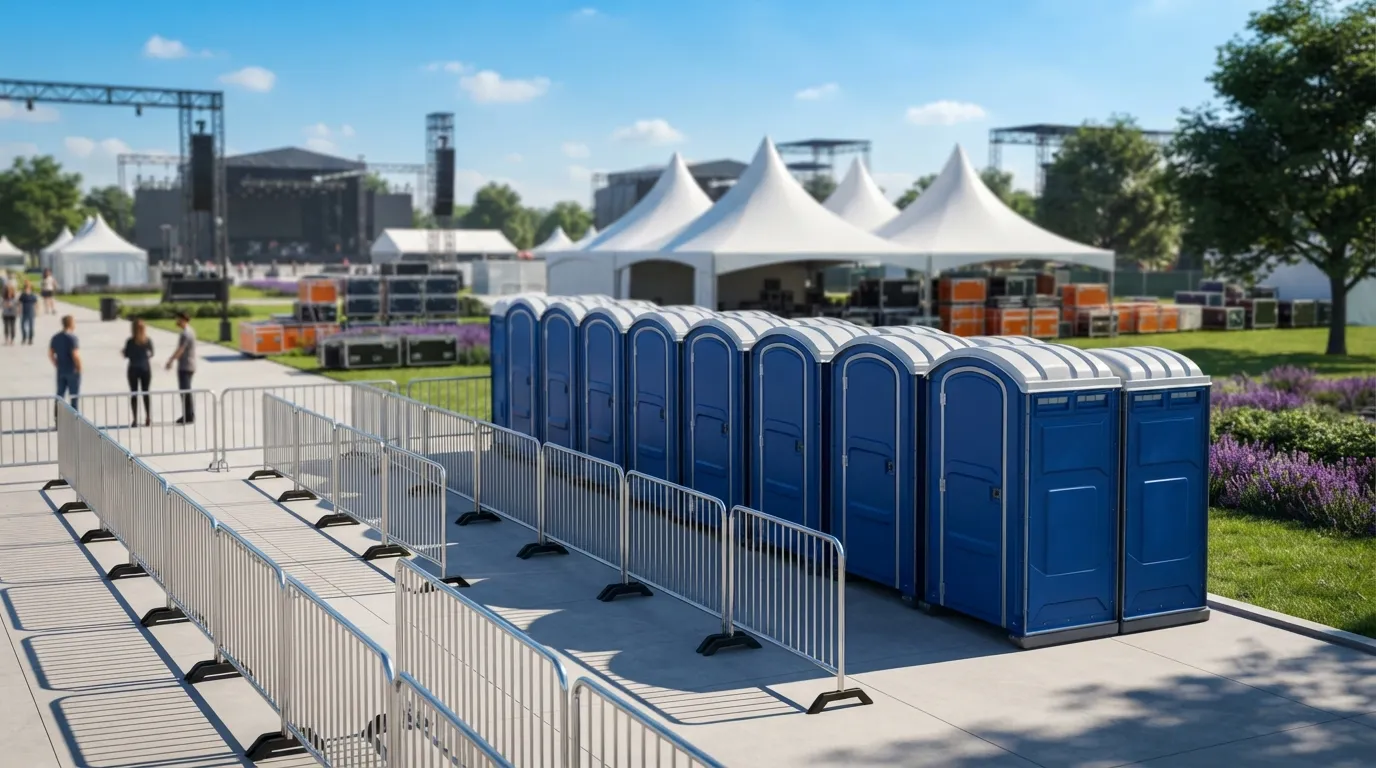
A real pumping visit includes locating and uncovering the access lid, pumping the tank down, and a basic check of the baffles and liquid level so you know if something else is going on. Some visits also include a light rinse of the tank walls, which helps solids not recompact as fast. This is different from septic tank cleaning, which is a more thorough scrub-down service for tanks that have gone a long time between visits, and different again from a deluxe flushable porta potty setup that has its own tank entirely. If you are building out a job site instead of servicing a home, you likely need portable sanitation on top of septic, and our construction site services page bundles both. Crews working a renovation that disrupts the existing system often add a standard porta potty rental or a portable restroom rental for the duration, since the house bathroom may be offline during the work. For events on properties with a septic system already near capacity, a holding tank rental keeps guest traffic from overloading the tank on the one day it matters most, and pairing it with an event restroom rental or wedding restroom rental covers guest counts a single tank cannot.
How Much Does Septic Tank Pumping Cost?
| tank size context | duration | typical cost |
|---|---|---|
| standard septic pump | day visit | 150 to 300 |
| septic service | weekend | 50 to 150 |
A standard septic pumping visit falls between 150 and 300 dollars, with most jobs landing around 250. Weekend or after-hours service runs differently than a scheduled weekday visit, and pricing shifts up for tight-window calls. Tank size, access difficulty, and how far the tank has drifted past its pumping interval all move the number within that band. A tank that has gone 6 or 7 years without service takes longer to pump and clean than one on a tight 3 year cycle, so staying on schedule keeps cost predictable. For a full cost breakdown by scenario, see septic tank pumping cost. If your property also runs a grease interceptor, that is priced and scheduled separately since it fills on a different cycle. Homeowners comparing septic against a portable toilet setup for a construction phase can check porta potty rental cost for the sanitation side of a project budget, or porta potty rental per day and monthly porta potty rental for shorter or longer jobs.
Do You Offer Holding Tank Service?
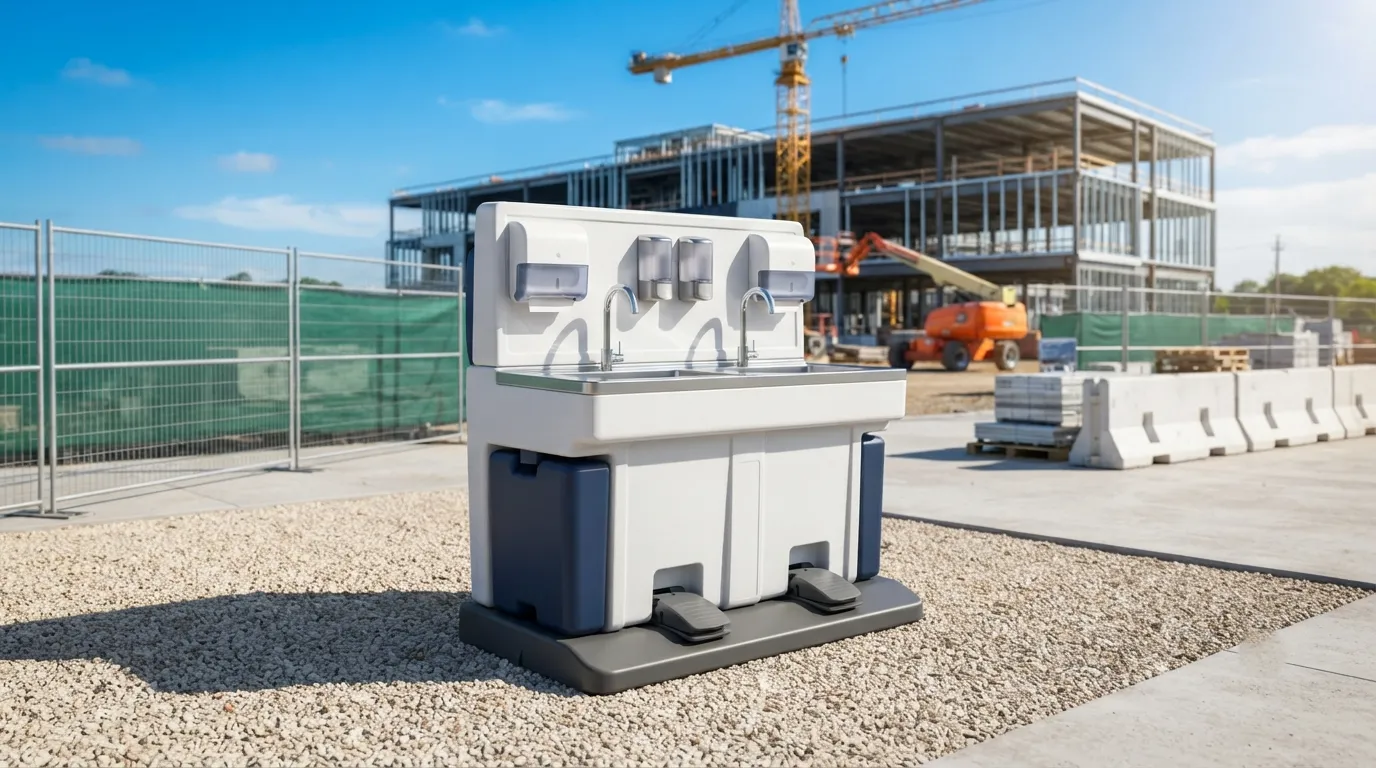
Yes. A holding tank is a sealed tank with no drain field, used when a septic system is offline, under repair, or not an option for the site. We deliver, service on a schedule, and pump it out same as a septic tank, following the baseline weekly service interval set by ANSI/PSAI Z4.3 for typical usage loads, adjusted up for heavier crews or events. This works well for a renovation where the existing system is disconnected, or for a temporary event on a property without adequate septic capacity. Pair it with a portable sink rental or a handwashing station rental to keep handwashing compliant on site, since 29 CFR 1910.141(d)(2) requires soap and towels or a hand drying device at any washing facility, not sanitizer alone. Full details on capacity, delivery and service intervals live on our holding tank rental page. Construction crews already running a porta john rental often add a holding tank when the site has no working sewer connection at all, and an ADA accessible porta potty belongs in that same order if the crew or guest count calls for one.

Do You Handle Emergency Septic Calls?
Yes, and a backed-up tank does not wait for a convenient appointment. If sewage is backing into the house or pooling in the yard, that is an emergency call, not a scheduled one, and our emergency septic service line exists for exactly that. Spring Hill properties near Timber Pines, about 7.4 miles west, or High Point, 8.1 miles north, get the same emergency response as anywhere closer to the center of town. We also handle emergency portable toilet needs on the same call if a job site or event loses its restroom access unexpectedly, covered on our emergency porta potty rental page. Disaster situations that take out both septic and water service are a different scope entirely, and our disaster relief sanitation page covers that response, often paired with a roll-off dumpster rental for storm debris and a temporary fence rental to secure the property. For general questions about scheduling, service areas, or getting a fast quote, our request a quote page and contact page are the quickest way to reach us, our service areas page lists every town we cover, and our FAQ covers scheduling questions beyond septic specifically.
How much does septic tank pumping cost on average?
A standard septic pumping visit runs 150 to 300 dollars, typically landing around 250. The exact number depends on tank size, how long it has been since the last pump, and access to the tank lid. See septic tank pumping cost for a full breakdown by scenario.
How often should a 1,000 gallon septic tank be pumped?
A 1,000 gallon tank is typically pumped every 3 to 5 years, driven by household size against tank capacity. A larger household on that same tank size should lean toward the 3 year end. Check how often to pump a septic tank for more detail.
What are the warning signs my septic tank is full?
Slow drains, gurgling pipes, standing water over the drain field, and sewage odor in the yard are the main signs. Any of these mean it is time to schedule service, not wait it out. Full list on our septic tank warning signs page.
Can I get septic pumping the same day in Spring Hill?
Emergency and expedited service is available for active backups, though standard scheduled pumping books ahead like any service call. Call our emergency septic service line for anything urgent. Spring Hill Porta Pros prioritizes active backups over routine scheduling.
Do you service grease traps as well as septic tanks?
Yes. Grease interceptors are pumped once fats, oils, grease and solids reach 25 percent of the liquid depth, which is a faster cycle than a household septic tank. See grease trap pumping for commercial kitchen scheduling.
What is the difference between septic pumping and a holding tank rental?
Septic pumping empties an existing in-ground tank connected to a drain field. A holding tank is a separate sealed unit with no drain field, used when septic is offline or unavailable. Details on delivery and service are on our holding tank rental page.
Next step
Get a delivery date
Tell us the address, the dates and the headcount. We size the order and confirm the route.