
Do You Need a Permit for a Porta Potty in Spring Hill?
For a unit sitting entirely on private property, most residential and commercial jobs move forward without a permit call. That covers a driveway for a home renovation porta potty, a backyard for a graduation party, or a fenced lot for a construction site. The line moves once any part of the unit sits in the public right of way, on a street shoulder or blocking a sidewalk. That placement is NOT VERIFIED against current Spring Hill code from here, so confirm with the city before you set anything at the curb. This is the same gap that trips up a lot of dumpster permit questions, and it is worth one phone call rather than a guess. If your event sits on public land, like a park pavilion or a closed street for a race, treat permitting as part of the plan from day one, not an afterthought once the event restroom rental is already booked.
Porta Potty Rules and Regulations: What Actually Applies?
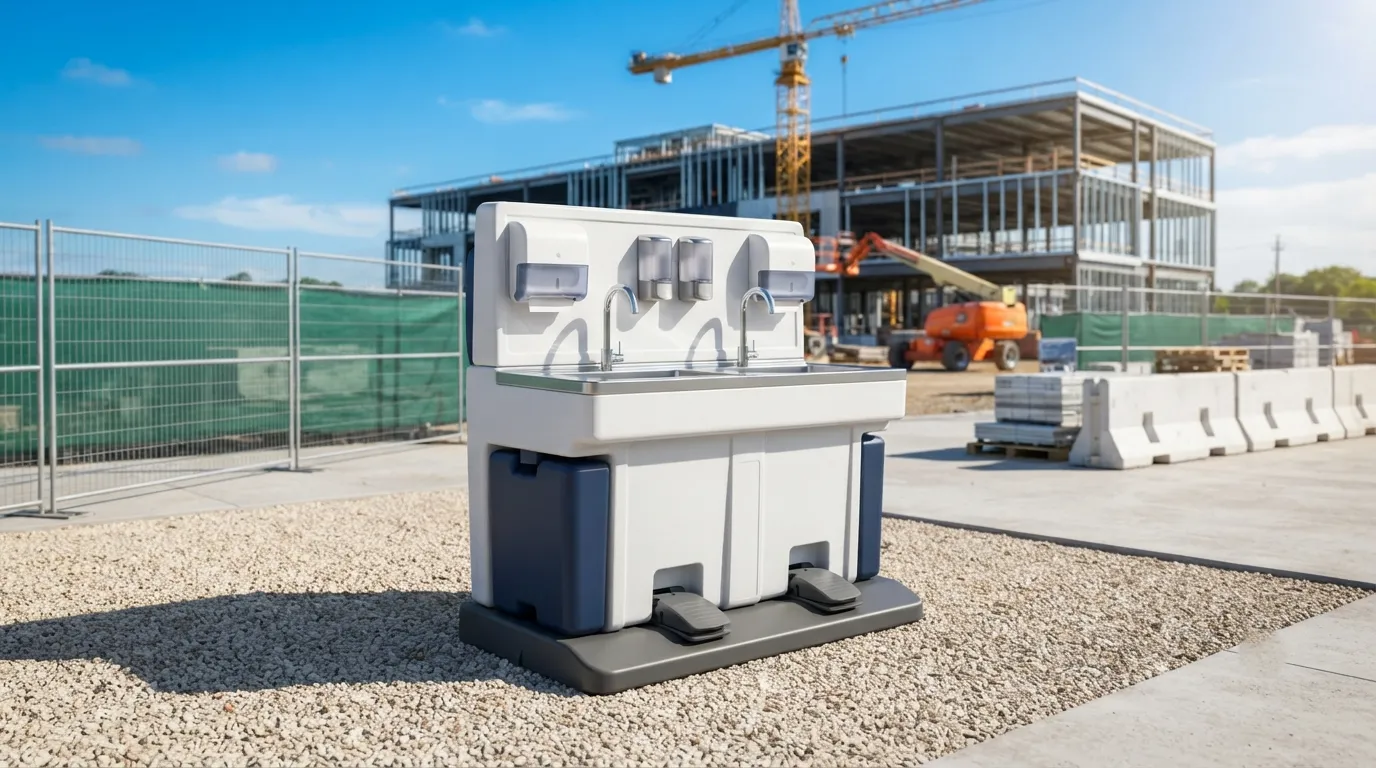
Federal rules apply regardless of what the city permits. OSHA 1926.51(c) sets the ratio for construction sites: one toilet for 20 workers or fewer, then one toilet seat and one urinal per 40 workers once you cross 20, dropping to one seat and one urinal per 50 workers at 200 or more. That standard drives our how many porta potties do I need guidance for every job site in Spring Hill. Farms and agricultural operations fall under a separate rule, OSHA 1928.110, which calls for potable water, toilets and handwashing within a quarter mile walk of hand-labor employees, one facility per 20 workers -- relevant for anyone running farm and agricultural restrooms. If your crew is applying paint, coatings, herbicides or insecticides, OSHA 1926.51(f)(1) requires washing facilities on top of the toilet count, and 29 CFR 1910.141(d)(2) requires soap and a towel or drying device at that washing station -- hand sanitizer alone does not satisfy it. Pair a handwashing station rental with your toilets on any job with those contaminants.
Where Can You Place a Porta Potty on a Job Site?
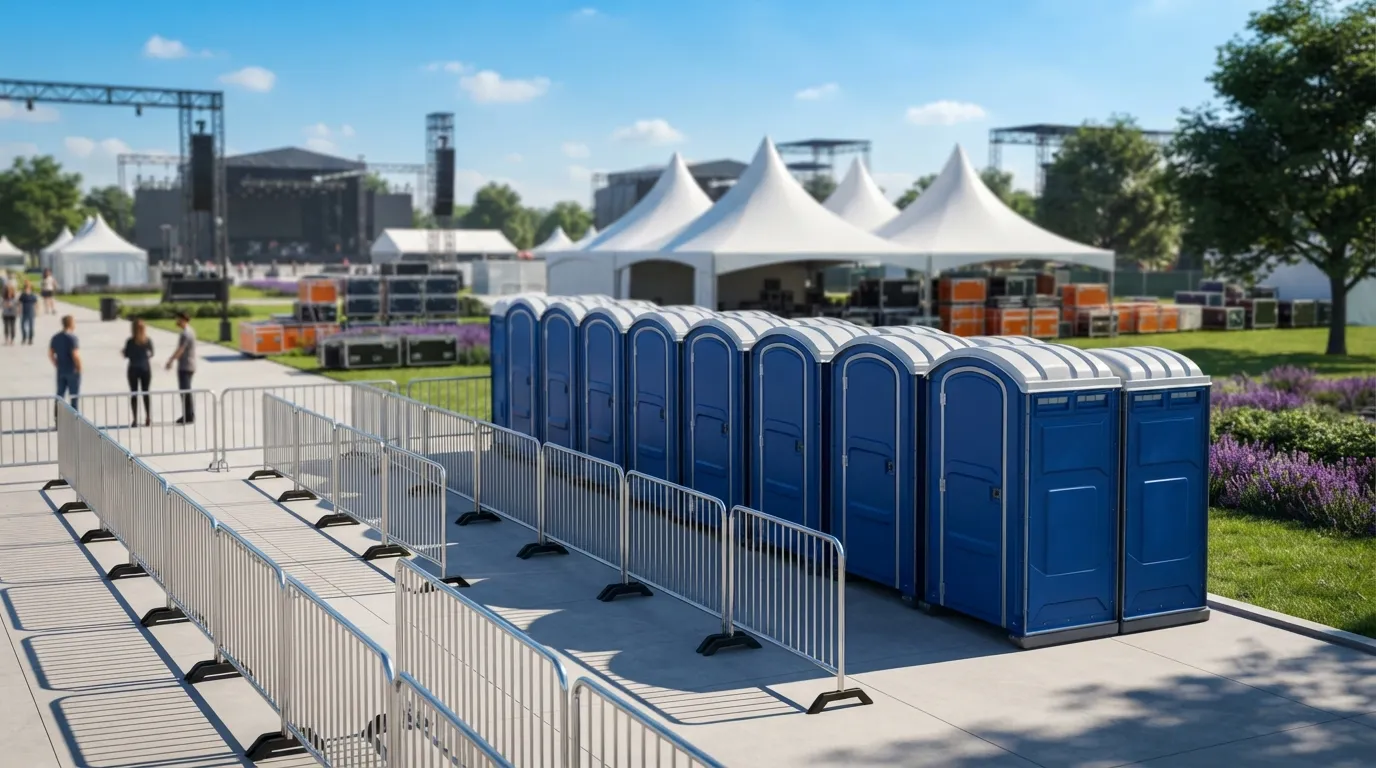
Ground stability and access matter more than most people expect. ADA Standards 302.1 calls for a stable, firm, slip-resistant surface, and 405.2 limits any ramp to a 1:12 slope, so a unit set on soft dirt or a steep grade can fail both. A standard unit runs about 44 by 48 inches on the ground and stands roughly 92 inches tall, and our porta potty placement guide walks through clearance around doors and service access in more detail. If you're clustering multiple single-user units, ADA Standards 213.2 requires at least 5 percent to be accessible, never fewer than one, which is why most multi-unit orders pair a standard porta potty rental run with an ADA accessible porta potty or two. Keep a clear path to each door: ADA 403.5.1 sets a 36 inch minimum route width and 404.2.3 sets a 32 inch minimum door opening, figures worth checking against your fencing plan if you're also renting temporary fence rental or crowd control barrier rental panels for the same site.
Do You Need a Permit for a Dumpster on the Street?
A roll-off sitting on your own driveway or lot generally does not need a permit, the same pattern as porta potties. A roll-off parked on the street, blocking a lane or sitting over a storm drain is a different conversation, and that one goes through the city, not us. Delivery trucks need roughly 60 feet of straight clearance behind them to set a container down, so measure your driveway before you commit to a spot, whether you're ordering a 10 yard dumpster rental for a cleanout or a 30 yard dumpster rental for a full remodel. If you're running power out to a job trailer or a light tower and need a pole set near the road, a temporary power pole permit is a separate city process from a toilet or dumpster placement, so don't assume one approval covers the other. Check our dumpster sizes and dimensions page before you call the city so you know what footprint you're asking to place.
For anyone comparing markets outside Florida, portable toilet rental in Delaware or a Jersey City dumpster permit follow the same basic split: private property is usually simple, public right of way needs the city's sign-off, and every jurisdiction writes its own version of that line. Spring Hill is no different. Nearby, Brooksville sits 10.2 miles east and Timber Pines is 7.4 miles west, and both fall under different county contacts than Spring Hill proper, so don't assume a permit call that worked in one covers the other. If you're weighing rental length against these placement questions, our porta potty rental cost and monthly porta potty rental pages break down day, week and month pricing side by side.
Does a residential porta potty rental need a permit?
Almost always no, if it's staying on your property. Driveways, backyards and fenced lots are typically fine without a call to the city. The moment any part of the unit touches the street or a sidewalk, that assumption stops applying and you should confirm first.
Can I put a porta potty on the sidewalk during a renovation?
That is public right of way, and placement there is NOT VERIFIED from here against current Spring Hill code. Call the city before you set anything on a sidewalk. It's a five-minute conversation that avoids a moved unit and a delayed crew later.
What permit do I need for a construction site dumpster?
If the dumpster stays on the lot, most jobs need nothing extra. Street placement is a different process handled by the city, not the rental company. Ask us for your container's footprint so the city conversation goes faster.
How many porta potties does OSHA require on a job site?
OSHA 1926.51(c) sets it by headcount: one toilet for up to 20 workers, then a seat and urinal per 40 workers above that, dropping to per 50 workers at 200-plus. Crews using paint or pesticides also need washing facilities under 1926.51(f)(1).
Do I need a permit for a temporary fence around my job site?
Fencing on private property generally doesn't need city sign-off. If the fence line crosses into the right of way or blocks a public walkway, that's worth confirming with the city first, the same way dumpster and porta potty placement works.
Next step
Get a delivery date
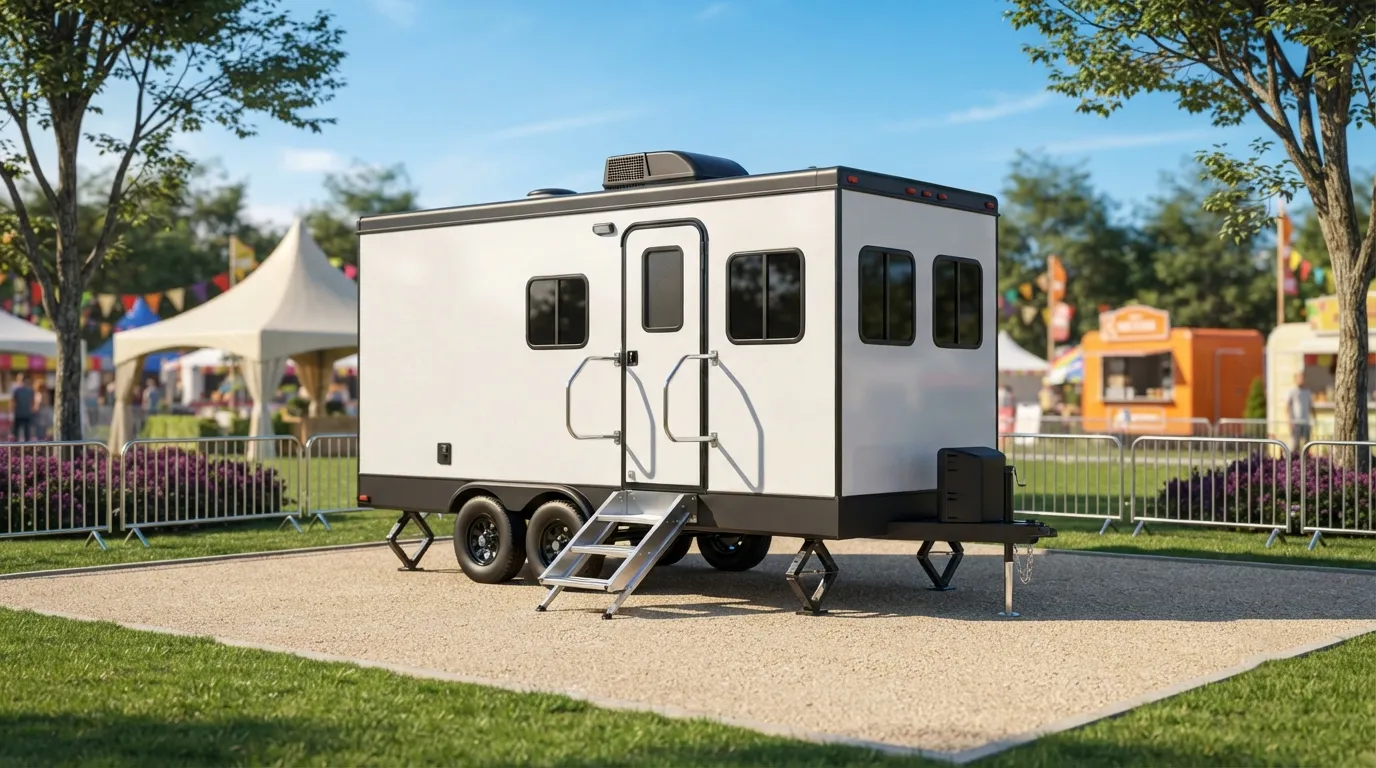
Tell us the address, the dates and the headcount. We size the order and confirm the route.