
How Do Porta Potties Work Day to Day?
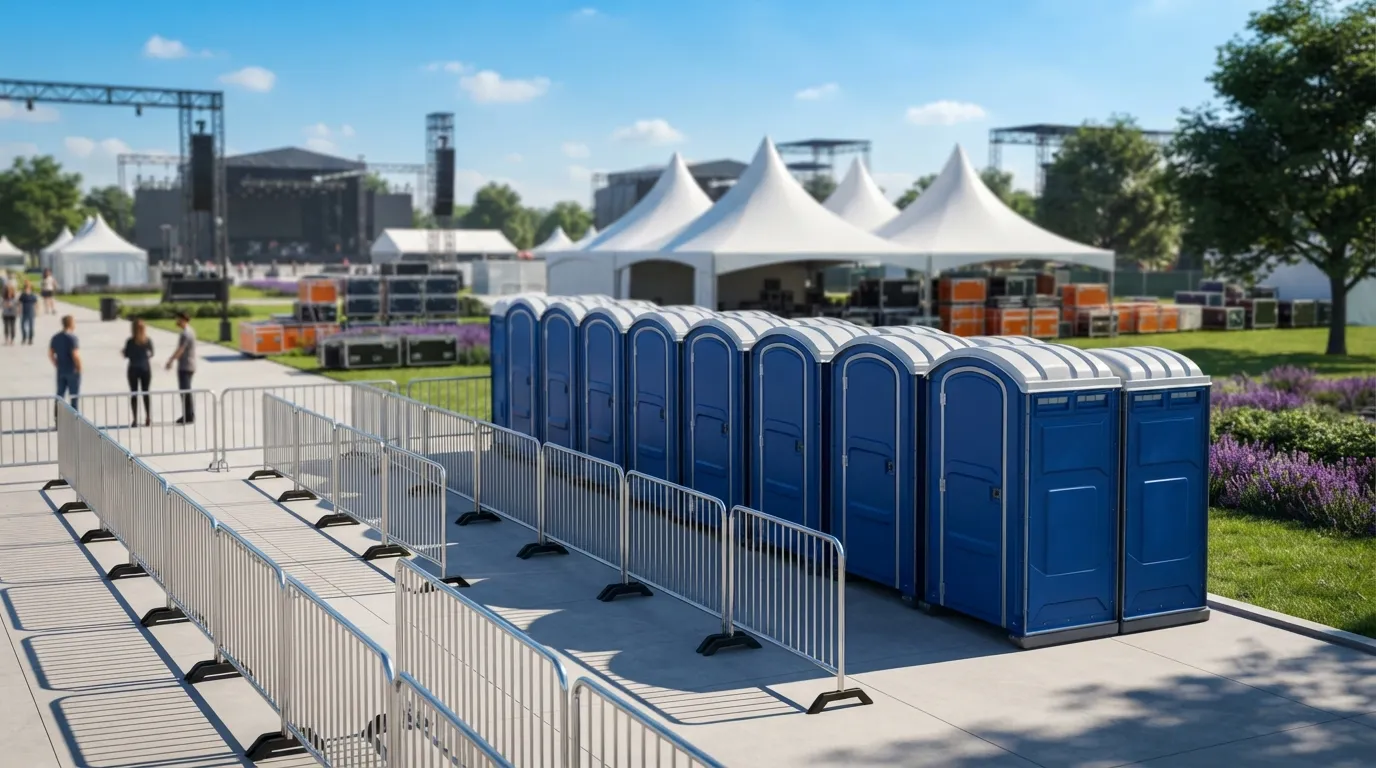
Under the seat sits the holding tank, and that is the whole system. There's no water line running in and no line running out. When a construction worker on a Spring Hill job site uses the unit, waste drops straight into the tank below, where it mixes with a blue chemical treatment designed to break down solids and mask odor until the next pump-out. A vent stack lets gas escape so the cabin doesn't build pressure or smell. The standard cabin runs about 44 by 48 inches on the ground and stands roughly 92 inches tall, which is why it fits tight jobsite corners without eating much space. For crews, standard porta potty rental covers this exact setup. ANSI/PSAI Z4.3, the sanitation industry standard, sets a baseline service interval of once a week for up to 10 users over a 40 hour week, which is why we schedule pump-outs around actual headcount rather than guessing. Renters comparing porta potty rental cost in Spring Hill should know the service interval, not just the unit price, drives what you pay over a multi-week job.
How Do Flushable Porta Potties Work?
A flushable unit, sometimes called a deluxe flushable porta potty, adds a small freshwater reservoir and a foot pump or hand lever that pushes a rinse of water down after each use, similar to a low-flow RV toilet. The waste still goes into a holding tank below, just like a standard unit, but the rinse cuts down on residue clinging to the bowl. These units cost more to rent because of the added plumbing, and they need more frequent servicing since the freshwater tank runs dry. They show up often at weddings and upscale events around Spring Hill where guests expect something closer to a real bathroom. For events, pair one with event restroom rental planning so headcount and service timing line up correctly.
How Does a Portable Sink Work?
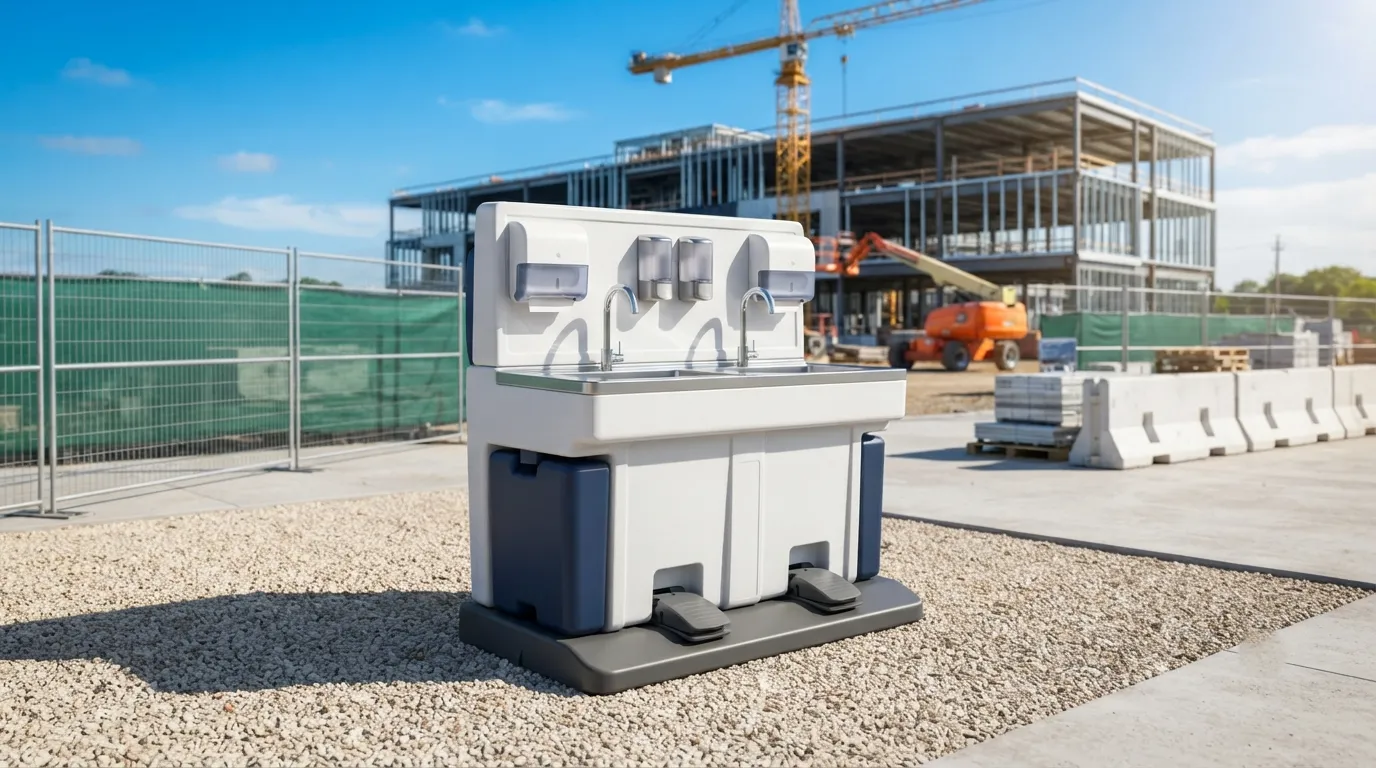
A portable sink runs on the same no-plumbing principle as a porta potty: a built-in freshwater tank feeds the faucet, usually by foot pump or battery pump, and a separate greywater tank underneath catches the runoff so nothing drains onto the ground. Soap dispensers are usually built in or clipped on the side. This matters because 29 CFR 1910.141(d)(2) requires washing facilities to have soap and towels or a hand-drying device, since hand sanitizer alone doesn't satisfy that standard. Handwashing station rental covers standalone units, and a portable sink rental is the right call anywhere food is served or handled. On sites doing painting, coatings, or pesticide work, OSHA 1926.51(f)(1) requires washing facilities specifically because of those contaminants, separate from general sanitation rules. Farms around Spring Hill and nearby Brooksville, about 10.2 miles east, fall under OSHA 1928.110, which sets one field sanitation facility per 20 hand-labor employees within a quarter mile walk, a rule worth checking against our farm and agricultural restrooms page.
Why Do Some Porta Potties Need Septic Pumping and Chemicals?
Every porta potty tank runs on chemical treatment, not just septic tanks. The blue liquid dropped into a fresh unit contains deodorizers and enzymes that digest waste and keep odor down between services, and it is not the same product used in a home septic tank cleaning chemical routine, so don't mix the two. A residential septic tank, separately, typically needs pumping every 3 to 5 years depending on tank size and household size, a schedule covered in more depth on how often to pump a septic tank. Restaurants and event kitchens run a different system entirely: a grease interceptor gets pumped once fats, oils, grease and solids reach 25 percent of the liquid depth, which is why grease trap pumping runs on its own schedule separate from the porta potty circuit. If a Spring Hill homeowner notices slow drains or standing water near the drain field, that's usually a sign covered on our septic tank warning signs page, and septic pumping service handles both routine and emergency calls.
Prices
| unit | duration | typical price |
|---|---|---|
| standard porta potty | day | $150 |
| standard porta potty | week | $200 |
| deluxe flushable | week | $250 |
| septic pumping | day | $250 |
Full pricing breakdowns live on porta potty rental per day and monthly porta potty rental for longer jobs.
How many porta potties does a construction site need?
OSHA 1926.51(c)(1) sets the ratio: one toilet for 20 workers or fewer, then one toilet seat and one urinal per 40 workers once you pass 20. Above 200 workers, it's one seat and one urinal per 50. See how many porta potties do I need for a full breakdown by crew size.
Do porta potties need an accessible option?
Yes, if units are clustered together. ADA Standards section 213.2 requires at least 5 percent of clustered single-user units to be accessible, and never fewer than one. Check ADA accessible porta potty for specs and ADA restroom requirements for the full standard.
How do camping porta potties work?
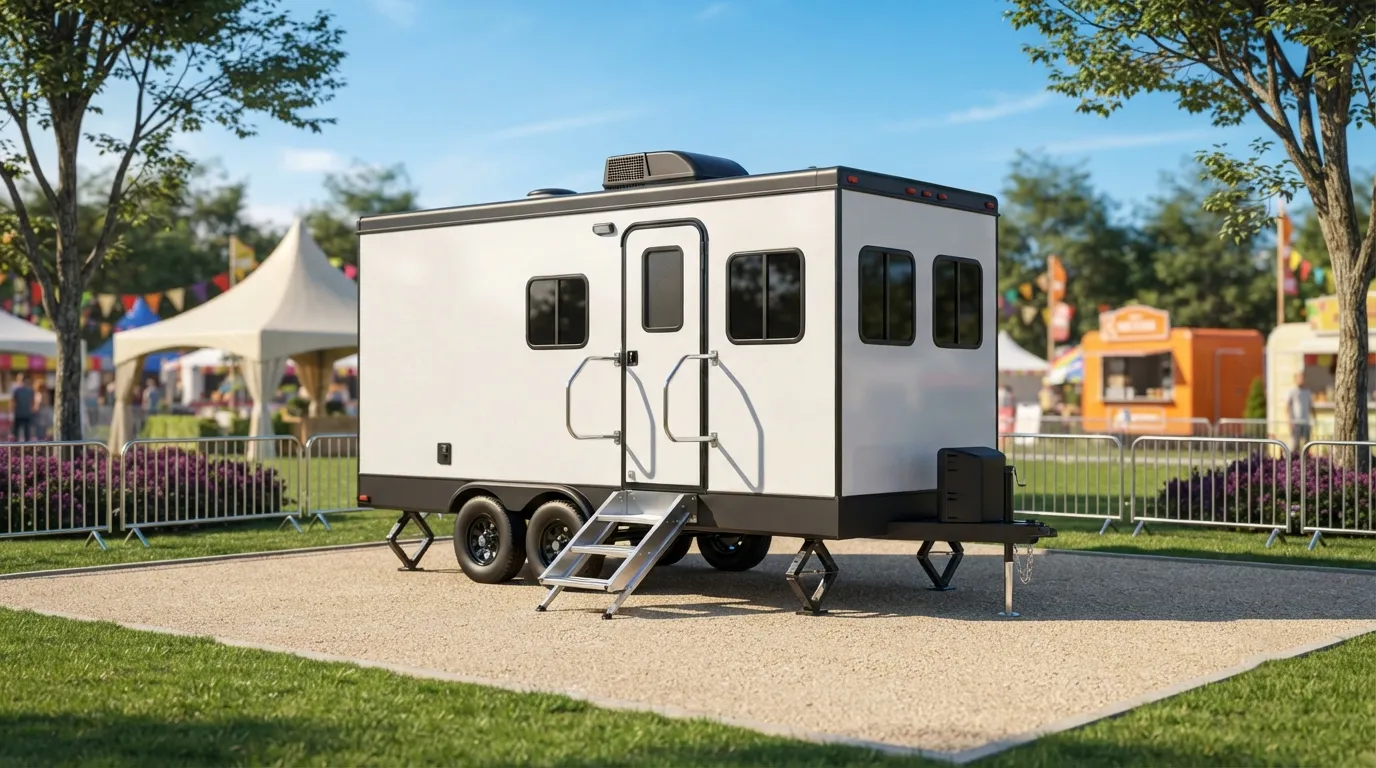
Same tank-and-chemical system as a jobsite unit, just smaller and often self-contained for towing to remote sites. Spring Hill campers near Timber Pines, 7.4 miles west, rent these for weekend trips. See camping porta potty for delivery details on rural or wooded sites.
What chemicals go into a porta potty tank?
A blue deodorizing treatment containing enzymes and fragrance goes in fresh with every unit delivered, breaking down waste between pump-outs. It's not interchangeable with septic tank treatments or grease trap products. Our crews handle the dosing, so renters never need to buy or add anything themselves.
Can a porta potty be placed anywhere on a property?
Placement depends on ground stability, ADA Standards section 302.1 requiring stable and slip-resistant surfaces, plus clearance for our service truck. Right-of-way placement in Spring Hill needs confirming with the city before delivery. See the porta potty placement guide for setup requirements.
Next step
Get a delivery date
Tell us the address, the dates and the headcount. We size the order and confirm the route.